|
|
|
|
|
|
|||||||||||||
|
|
|
|||||||||||||
|
|
|
|
| |

Who Killed the Electric Car? -- Both a critical and inspiring film Is saving our planet and Humanity from Global Warming the result of such cynical repressions of clean and accessible technologies? Film Recommended by John Chen
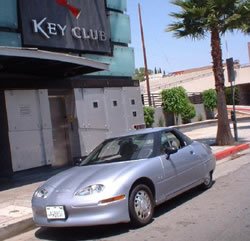
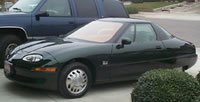
It was among the fastest, most efficient production cars ever built. It ran on electricity, produced no emissions and catapulted American technology to the forefront of the automotive industry. The lucky few who drove it never wanted to give it up. So why did General Motors crush its fleet of EV1 electric vehicles in the Arizona desert? WHO KILLED THE ELECTRIC CAR? chronicles the life and mysterious cancellation of the GM EV1, examining its cultural and economic ripple effects and how they reverberated through the halls of government and big business. The year is 1990. California is in a pollution crisis. Smog threatens public health. Desperate for a solution, the California Air Resources Board (CARB) targets the source of its problem: auto exhaust. Inspired by a recent announcement from General Motors about an electric vehicle prototype, the Zero Emissions Mandate (ZEV) is born. It required 2% of new vehicles sold in California to be emission-free by 1998, 10% by 2003. It is the most radical smog-fighting mandate since the catalytic converter. With a jump on the competition thanks to its speed-record-breaking electric concept car, GM launches its EV1 electric vehicle in 1996. It was a revolutionary modern car, requiring no gas, no oil changes, no mufflers, and rare brake maintenance (a billion-dollar industry unto itself). A typical maintenance check-up for the EV1 consisted of replenishing the windshield washer fluid and a tire rotation. But the fanfare surrounding the EV1's launch disappeared and the cars followed. Was it lack of consumer demand as carmakers claimed, or were other persuasive forces at work? Fast forward to 6 years later... The fleet is gone. EV charging stations dot the California landscape like tombstones, collecting dust and spider webs. How could this happen? Did anyone bother to examine the evidence? Yes, in fact, someone did. And it was murder. The electric car threatened the status quo. The truth behind its demise resembles the climactic outcome of Agatha Christie's Murder on the Orient Express: multiple suspects, each taking their turn with the knife. WHO KILLED THE ELECTRIC CAR? interviews and investigates automakers, legislators, engineers, consumers and car enthusiasts in the United States from Los Angeles to Detroit, to work through motives and alibis, and to piece the complex puzzle together. WHO KILLED THE ELECTRIC CAR? is not just about the EV1. It's about how this allegory for failure-reflected in today's oil prices and air quality-can also be a shining symbol of society's potential to better itself and the world around it. While there's plenty of outrage for lost time, there's also time for renewal as technology is reborn in WHO KILLED THE ELECTRIC CAR? The film's Director provides insights
Here's what happened: I fell in love with my car. I've never been a car guy but that all changed when General Motors leased me its all-electric car, the EV1, in 1997. Designed by one of my childhood heroes, Paul MacCready, who had also designed some of the most famous airplanes in the world, the EV1 was truly 21st century. It was fast, quiet, ran without exhaust, and meant I never had to go to the gas station. It made me feel like the 21st century had arrived. I thought it would be my second car, but within days, it was my primary car. I drove it everywhere. And everywhere I went, people wanted to ride in it. $3 to fill up on electricity and you charged it overnight. I quickly joined the ranks of those who had driven and loved electric cars. But deep and mysterious currents were stirring. Politics, economics and corporate power stopped California's electric car program in its tracks. Then the carmakers started taking our cars off the road. I thought about stealing mine, but the prospect of a felony and legal fees gave me pause. So when our best efforts failed and our cars started disappearing, there was only one thing left I could think to do: get this apparently forgotten story to the press. Where were the major investigative news programs on this story? Not only had billions been invested, but hundreds of amazing engineers, citizens, politicians, and corporations had been involved in getting chargers installed and cars on the road all over California. And then I realized that no one had ever put the actual pieces of this puzzle together. And no one was going to. What began as a series of questions began to turn the story into a murder mystery. Some of the evidence in this story still shocks me.
As we put the whole chain of events together, I
realized our tale was a lot more then just a car
story. It demonstrated why America is having such a
tough time getting out of the 20th century and
breaking its addiction to gasoline, Chris Paine
further says:  |
|
|
|
|
||||||||||||||||||
|
Copyright © 2007 The Canadian. All rights reserved. | |
|
| |||||||||||||||||||||
 |
|||||||||||||||||||||||||