

Anti-Aging: Antioxidants Preserve And Protect Vision


(Joyfulaging.com) -- The sun-produced, plant-based “phytochemicals,†healthy nutrients and antioxidants in some (but not all) fruits and vegetables help prevent, or greatly delay, vision deterioration and many potentially devastating diseases of our eyes. Vision can decline as our bodies age. The process of progressive vision degeneration advances based on many factors that control an individual’s unique rate of aging, These factors are largely influenced by daily lifestyle choices such as: nutrition, exercise, environment, toxins, pollutants, oxidative stress level, available antioxidants, exposure to ultraviolet light (sunshine and other powerful radiation sources including sun lamps, X-rays, laboratory equipment, etc.). Good lifestyle choices can prevent or delay vision deterioration, so we can see clearly for our entire healthy life. If you have every known and loved someone who lost their vision, even partially, you know how extremely important it is to protect and preserve the great gift of our natural ability to see clearly. Ultraviolet radiation causes “cataracts,†which are essentially a white cloud in the lens of the delicate eye that significantly blurs vision. Cataracts are conceptually similar to repetitive sunburn of the skin. Sunblock slows the rate of oxidation of the skin, but if you spend time outdoors without effective eye protection, your risk of getting cataracts is significantly increased. In many cases, cataracts can be avoided with proper lifestyle choices, including sunglasses, avoiding direct sunlight, proper nutrition and blood sugar control. People who eat only three and a half servings of high-antioxidant fruits and vegetables per day (less than half of the recommended daily intake) have significantly fewer cataracts than people who only eat one and a half servings of fruit and vegetables per day. There are invasive eye operations that can remove lens and replace it with a fixed-focus plastic implant, but it is much better to avoid cataracts in the first place, and eliminate the expense, discomfort, risk of infection and blindness of eye surgery. We previously explained how flavonoid antioxidants in the pigment of some dark fruits and vegetables (that mostly grow above ground) can retard the rate of cellular oxidation and also slow the rate of sunburn of the skin. This principle applies to the lens, retina, optic nerve, optic cortex and brain, as well as to our skin. By age 65, half of Americans have cataracts. Excess blood sugar in diabetics contributes to this problem, as do years of exposure ultraviolet light (UVB), smoking and a deficiency of antioxidants. The form of sugar called “sorbitol†builds up in the lens of diabetic eyes, creating cataracts and other vision problems. The flavonoid (plant pigment) called “quercetin†is a building block for other beneficial antioxidants. Quercetin impedes an enzyme that leads to accumulation of sorbitol in the lens. Quercetin occurs naturally in apples, onions and black tea. As an antioxidant, it reduces the risk of cancer and heart attack. Quercetin is a mild antihistamine, which helps relieve asthma, hay fever and sinusitis, since it can reduce airway inflammation. A dietary source of quercetin is beneficial for almost everyone. Clinical studies document the fact that people who consume adequate amounts of natural A, C and E vitamins, (by eating certain fruits and vegetables or by taking a natural-source multivitamin supplement), decrease their risk for developing cataracts by 37 percent (It is important to note than unnatural manufactured vitamin sources, like common synthetic vitamin E made from coal tar, turpentine or petroleum products. Synthetic vitamin E is not only much less effective and natural vitamin, several important studies have shown that it al contributes to certain health problems (conceptually similar to drinking gasoline - explained in more detail below). Quercetin is also available in supplement form (for diabetics and others who need to minimize consumption of the sugar that naturally occurs in fruits). There are wonderful health agencies that now offer inexpensive vitamin supplements to poorly nourished children around the world, with a dramatic reduction in childhood blindness. They are to be highly commended for their extremely valuable contribution to humanity. The natural vitamin C in many fruits and vegetables slows the rate of deterioration of the internal cell body, mitochondria and DNA in every tissue and organ of our body. This includes our optic nerves and the optical cortex of the brain, which interprets the sensory images from our retina. Vitamin A is important for the eyes' ability to adapt to changes in light and colour. “Carotene†is a yellow, orange, red fat-soluble plant pigment. It is an unsaturated hydrocarbon that is converted into vitamin A by a healthy liver. Lutein is the most prevalent carotene in many vegetables. Lutein is found in high concentrations in the “macula†(central vision portion of the sensory retina) of the healthy eyes. People who do not consume sufficient quantities of certain vegetables are lutein deficient. Maintaining sufficient concentrations of lutein in the eyes can help prevent free radical damage to the sensory nerves of the eye, which can lead to “macular degeneration†(common in older individuals with poor nutrition, especially those with high blood sugar). Lutein can also slow the rate of cataract formation. Other carotenes, including “beta carotene†(found in dark green and dark yellow fruits and vegetables) are also important for healthy vision. Beta carotene must be consumed in natural source concentrations. Multiple international studies have shown that the concentration levels found in beta carotene food supplements
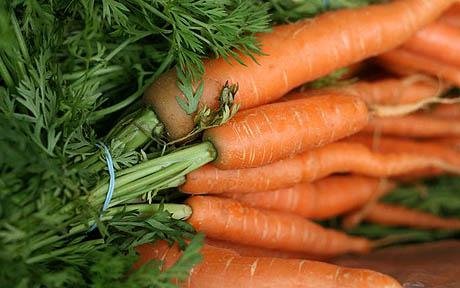
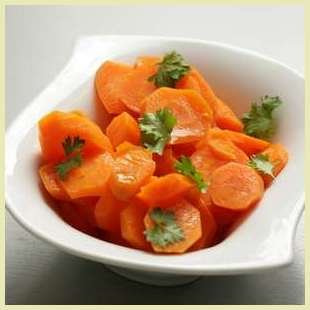
The consumption of alcohol plus beta carotene supplements has been shown to make the increased risk of cancer even worse. Some natural beta carotene sources (starchy roots like carrots and sweet potatoes) should be avoided by overweight people and high blood sugar diabetics who must control their intake of carbohydrates, especially those foods with a high glycemic index (i.e., they release their sugar rapidly). Dark green leafy vegetables offer the essential beta carotene benefits without so much quick-release sugar.
Herbs that improve circulation can be helpful for vision, UNLESS you are at risk for vascular hemorrhage or stroke (as are many older people with weakened blood vessel walls and those taking blood thinners and common anti-inflammatory pain killers).
People with a history or risk of weakened blood vessels should carefully avoid vasodilators and blood thinners (like ginko biloba, alfalfa, aspirin, ibuprofen, acetaminophen, naproxen, and many potentially dangerous combinations of prescription medications). High acid (low pH) in commonly abused drugs (like aspirin - acetylsalicylic acid) can contribute to acidosis (high acid build up in body tissues), which inhibits normal metabolism, blocks the absorption of essential nutrients, causes peptic ulcers, and is fatal to thousands of Americans each year.

Comments
There are 0 comments on this post