
Bank of England: Mark Carney takes London Underground
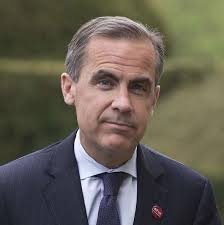
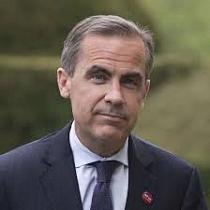


2013 has so far been a pretty remarkable year in the world of banking, for both Britain and Canada, and it’s all down to one man, Mark Carney. Carney has the unenviable task of not only being the first non-British person to head the United Kingdom’s oldest bank, but he also has to help turn around the ailing fortunes of a struggling economy, too after his successful efforts in his home country. However, the biggest story on his first day in office was not whether he could make any sweeping changes to the economic crisis by lunchtime, but the fact that he arrived for work early and took the London Underground…
Mark Carney
It is hoped Carney can succeed where his predecessor, Mervyn King, struggled to cope. King did not have an easy ride during his tenure, having to steer the country through one of its most dire economic crises and also some pretty testing scandals. Carney brings to the table a very impressive array of experience and knowledge. He’s helped to keep the Canadian economy afloat by cutting interest rates to their lowest level. He had worked in tandem with many of Canada’s bankers to ensure that lending was sustainable and also kept himself in the public eye to reassure people that they would still be able to borrow money despite the problems the economy as a whole was facing.
Taking over the financial reins in Britain is seen as a totally different kettle of fish for the experienced financier though. There are possibly going to be many more uphill struggles for him to face than he did in his home country.
Britain’s financial situation – can Carney cut it?
On the whole, it is felt that even though Canada struggled during the worldwide banking crisis of 2008, it had less of a struggle than many other countries. Britain fared worse than many others. To start with, Canadian banks were struggling, but not so much as UK ones and they had already taken a much tougher stance on things like mortgages. Canada was in a much stronger position from a business point of view as it had more in the way of goods and services it could export to keep the economy as buoyant as possible. This buoyancy has continued during the first part of 2013, though the figures for both countries bear out just how tough times are. However, certain sectors of the UK business market suggest that confidence may be starting to grow, which is good news for companies such as solo.co.uk and other small businesses that have perhaps worried about the economic outlook and whether their fortunes will improve or not.
Canadian analysts are urging the Brits to be cautious about getting too overly excited that Carney could be the man who turns everything around. The following comparison of figures for the first quarter of 2013 show the wide difference between Canada and the UK and the task Carney may have ahead of him:
-- Canadian economy: Experienced a 2.5% expansion rate during January-April 2013. Unemployment levels remain at 7.1%
-- British economy: Experienced only a 0.3% expansion rate for same period. Unemployment levels remain much higher at almost 9%.
He isn’t George Clooney…
Carney has been criticised and lauded in equal measure for his different, more open approach to business, being compared by some quarters to a rock star. However, speaking to British newspaper The Daily Telegraph after his first day in his new post, Carney’s new colleagues were suitably impressed. Justin Urquhart Stewart managing director of Seven Investment Management was quoted as saying “Mark Carney was charming and had none of the typical pomposity of Britsâ€. Urquhart was speaking after running into the new chief on the Underground and further added “I’ve established he wasn’t George Clooney and wished him good luck. It was also nice to see someone being suitably parsimonious†he said.
Later this week he faces his first big challenge, a meeting with the Monetary Policy Committee to discuss whether to continue to expand Britain’s stimulus plan. In the last four years it has managed to raise $579 billion extra into the economy (which roughly works out at £375 billion. Carney will need to make some tough decisions on whether to continue with this or abandon it.

Comments
There are 0 comments on this post