
Shedding light on compact fluorescent bulbs
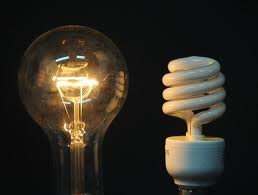
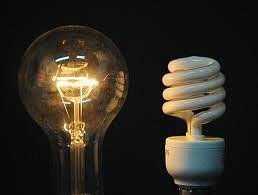


(NC) -- In Canada, as of January 1, 2014, incandescent light bulbs are being phased out. There are a few options available to replace them, including compact fluorescent light bulbs (CFL), light-emitting diodes (LED) and incandescent halogen light bulbs. You may be wondering why the phase-out was introduced and what this change means for you. Perhaps you have heard that CFLs contain mercury and you are worried about possible health effects.
The new efficiency standards for light bulbs were implemented to help Canadians save money and reduce greenhouse gases. Old-style incandescentbulbs lose about 90 per cent of their energy as heat and only last about 1,000 hours. CFLs use energy more efficiently and can last 10,000 hours while LEDs last up to 25,000 hours.
Here are some tips from Health Canada on using CFL bulbs safely:
• Always handle them carefully.
• If you have skin sensitivities to UV, or an autoimmune disease that makes you sensitive to UV, buy low UV CFL bulbs and try to place the bulbs in fixtures where you can be 30 centimetres or more away from them.
The presence of mercury in a CFL does not pose a risk to your health, unless the bulb is broken. If you do break a CFL:
• Ensure that people and pets move to another room during the clean-up process.
• Ventilate the room for at least 15 minutes prior to starting clean-up by opening windows and doors to the outdoors. This will ensure that mercury vapour levels are reduced before you start cleaning.
• Do not use a vacuum to clean up the initial breakage as it will spread the mercury vapour and dust throughout the area and may contaminate the vacuum.
• Wear disposable gloves, if available, to avoid direct contact with mercury and to prevent cuts.
• Scoop or sweep up the broken pieces and debris with two pieces of stiff paper or cardboard. Do not use a broom. Use sticky tape, such as duct tape or masking tape, to pick up any remaining fine glass or powder.
• Wipe the area with a damp paper towel, cloth or disposable wet wipe to remove any residual particles.
• Place the broken glass and clean-up materials in a glass container with a tight fitting lid to further minimize the release of mercury vapour.
• Check with your local municipality for CFL disposal information.
Canadians interact with chemicals in their everyday lives, often without even knowing or thinking about it. While chemical substances provide benefits, they may also have harmful effects on human health and the environment. Understanding the risks and benefits of common household items goes a long way towards keeping you and your family healthy.
Canada has a world-leading Chemicals Management Plan aimed at reducing the risks that chemical substances pose to Canadians and their environment. The plan includes helping Canadian families find out more about the potential risks and safe use of chemicals at home.
You can find more information by calling 1-800-O-Canada or visiting the Healthy Canadians website at http://healthycanadians.gc.ca/consumer-consommation/home-maison/cfl-afc-eng.php.
Comments
There are 0 comments on this post