
Reducing Cavities: Vitamins better than Fluoride
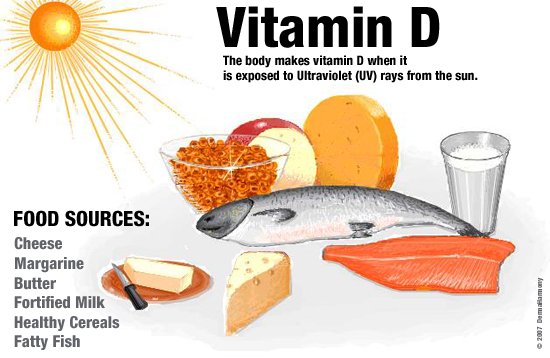


Studies have linked geographical variations in dental health and tooth loss to sun exposure. Dental caries has been shown to be inversely related to mean hours of sunlight per year, with people living in the sunny west having half as many cavities as those in the much less sunny northeast. As
"There were also several studies reported on vitamin D and dental caries in the 1920s and 1930s. May Mellanby and coworkers in Sheffield, England, did studies on the role of vitamin D on teeth in the 1920s.
The first experiments were with dogs, where it was found that vitamin D stimulated the calcification of teeth. Subsequently, they studied the effect of vitamin D on dental caries in children, finding a beneficial effect.
Additional studies were conducted on children in New York regarding dental caries with respect to season, artificial ultraviolet-B (UVB) irradiance, and oral intake of vitamin D with the finding that it took 800 IU/day to prevent caries effectively."
Two proposed mechanisms causing this beneficial effect include:
-- Vitamin D beneficially affects calcium metabolism, and
-- Vitamin D, which is produced in your body in response to sunlight exposure, induces cathelicidin, an antimicrobial peptide, which attacks oral bacteria linked to dental caries.
According to the Vitamin D Council:"Use of vitamin D appears to be a better option for reducing dental caries than fluoridation of community water supplies, as there are many additional health benefits of vitamin D and a number of adverse effects of water fluoridation such as fluorosis (mottling) of teeth and bones. ... Serum 25-hydroxyvitamin D concentrations around 30-40 ng/ml (75-100 nmol/L) should significantly reduce the formation of dental caries. (The average white American has a level near 25 ng/ml, while the average black American has a level near 16 ng/ml.)"
Oral Health, Heart Disease, and Vitamin D
As you probably know, many public water supplies around the US are fluoridated, allegedly to help prevent dental caries. However, there's overwhelming evidence showing that ingesting fluoride is NOT the way to protect your teeth. On the contrary, fluoride is a potent toxin, and over 40 percent of American children and teens are showing signs of fluoride overexposure in the form of
dental fluorosis—unsightly yellow or brown spots or mottling on their teeth.Fluoride consumption has also been linked to a
long list of other health problems.The idea that vitamin D may help protect against cavities is very interesting, and actually makes loads of sense since we already know it is necessary for bone health. Vitamin D also upregulates a specific gene that produces over 200 anti-microbial peptides, some of which work like broad-spectrum antibiotics, including cathelicidin that attacks oral bacteria.
It's also interesting to note the
connections between oral health, heart health, and vitamin D status.For example, gum disease increases your risk of several other serious diseases, including, pneumonia, lung disease, diabetes and stroke—and vitamin D deficiency has also been linked to an increased risk of all of these conditions! This is a beautiful illustration of the interdependency between seemingly disparate systems within your body.
Internet site reference: http://www.mercola.com

Comments
There are 0 comments on this post