
Low Carb Diets can rob brain power
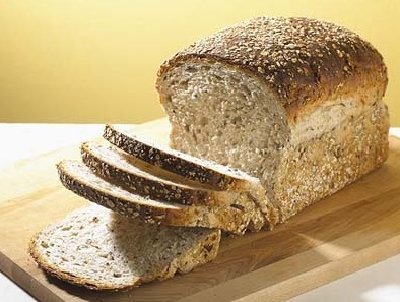


Grains should represent a small part of your diet, regardless of your age. I personally seek to avoid most grains, except rice. But if you're going to eat some grain-based foods, how much is too much? This debate heated up earlier this year when two nutritional experts, Dr. Paul Jaminet and Dr. Ron Rosedale,
Dr. Rosedale believes there is no such thing as a "safe starch" and that all starchy carbohydrates should be avoided, which of course includes all grains.
Dr. Jaminet, on the other hand, is a little more forgiving of some of the "safer starches," such as potatoes and rice. He believes some people need a small amount of these in their diets.
-- Wheat and other glutinous grains are probably the worst starches to consume, in terms of metabolic impact versus micronutrient benefit, and many are heavy in toxins;
-- Most people will need some starchy carbohydrates for optimal health; the optimal amount appears to be about 20 to 30 percent of your total caloric intake, or approximately 200 calories per day for the average person ;
-- The most important consideration is that your carbohydrate sources are as organic and unprocessed as possible, free of pesticides and chemical additives, and not genetically modified;
-- Studies now demonstrate that your child’s diet has a direct impact on his or her cognitive function, and that both quality and quantity of carbohydrates are important;
This is an interesting debate.
It's well thought out and well articulated, but quite lengthy.
If you have time, I do recommended your reading through all of it to see the nuances of their contrasting views.
The amount of carbohydrates one should consume for optimal health is a widely controversial topic. Fortunately we can gain some insights as to how much we might need by examining a child's diet, which is critically important for proper brain development. As you would expect, the quality of a child's diet will directly affect his or her cognitive functioning. Two recent studies highlight just how important this is.
STUDY #1: In the first study, Japanese researchers analyzed the relationship between breakfast staples and intelligence in children. They divided 290 healthy children into three groups according to their breakfast staple—rice, bread, or both. What they found was that children in the rice group had significantly more grey matter in their brains and showed a higher perceptual organization index, which is a component of intelligence. This supports the theory that children's breakfast choices affect their cognitive function.
According to the study:
"... [O]ne possible mechanism underlying the difference between the bread and the rice groups may be the difference in the glycemic index (GI) of these two substances; foods with a low GI are associated with less blood-glucose fluctuation than are those with a high GI."
STUDY #2: A 2011 cross-sectional study in Tehran, Iran, examined the relationship between long-term refined carbohydrate intake and non-verbal intelligence among 6 to 7-year-old schoolchildren. Researchers found that refined carbohydrate consumption and non-verbal IQ were inversely related for these Tehrani children. In other words, the more refined carbs the children were eating, the lower their non-verbal IQs. So how much starch is too much starch for breakfast—or any other meal, for that matter?
After trying both approaches, my experience suggests that Dr. Jaminet's position is more clinically relevant. The challenge is that most people will not be able to lower their carb level to the below 20 percent suggested by Dr. Rosedale. This very low level is a long reach from the average American diet, which is actually around 50 percent carbohydrate—it is simply too hard. Achieving Dr. Jaminet's far more carb-liberal recommendations will be enough of a challenge for most.
When I eliminated all my grains and starchy vegetables, I actually experienced some negative effects. My energy levels declined considerably, and my cholesterol, which is normally about 150, rose to over 200. It appears I was suffering a glucose deficiency and this can trigger lipoprotein abnormalities. It also seemed to worsen my kidney function. So, while carbohydrate restriction is a miracle move for most people, like most good things in life, you can overdo it.
This information really underscores how important glucose is as a nutrient, and some people can't manufacture glucose from protein as well as others, so they need SOME starches in their diet or else they will suffer from metabolic stress.
About half of your proteins have glucose attached to them, and if they don't have glucose, they simply don't work well, if at all. Your body needs glucose both as a substrate and as a fuel in order for these proteins to work well. If you drop below 200 calories of glucose per day, you might notice some negative consequences in the way you feel and even in some of your blood work, as I did.
My experience now shows me that I need to have some source of non-vegetable carbs. I still seek to avoid nearly all grains, except for rice and potatoes. I typically limit my total carbohydrate calories to about 25 percent of total daily intake, and my protein to about 15 percent, with the additional 60 percent coming from healthful fats like butter, egg yolks, avocados, coconut oil, nuts and animal fat.
However, that is what works for me. You must listen to YOUR body and perform your own experiment. The bottom line is how your body responds, and you're the ONLY one who can determine that.
So, if you are going to try eating some grain-based foods, which ones are the least likely to cause a problem? How damaging is wheat versus rice? Or potatoes? Before casting a vote on this, it is important to understand how grains contain different amounts and types of natural toxins that can create problems with your health.
Internet site reference: http://www.mercola.com

Comments
There are 0 comments on this post