
Where Kanata Councillor frontrunners stand in the upcoming municipal election
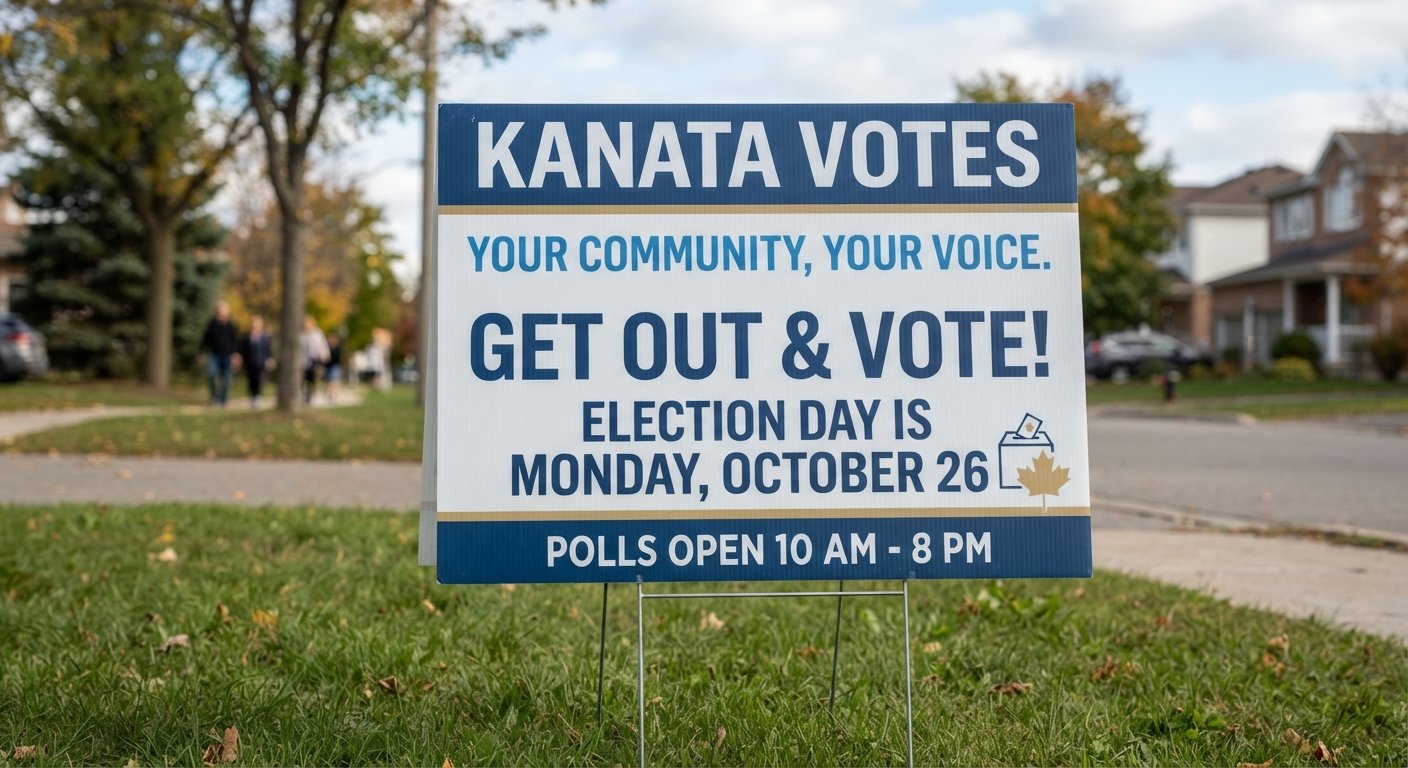
With the October 26, 2026, Ottawa municipal election entering its final week, Kanata’s two critical wards have become core battlegrounds for the future of the city's west end. As the tech hub and rapid suburban expansion corridors of Kanata North and Kanata South face complex shifts, local frontrunners are drawing distinct battle lines over OC Transpo transit reliability, heavy road congestion, property taxes, and greenspace preservation. According to municipal race reporting from CBC News, voters across the west end are actively evaluating establishment records against competitive major challengers and independent grievance candidates tapping into widespread neighbourhood alienation from City Hall.
Here is exactly where the incumbents, major challengers, and main grievance candidates stand:
Ward 4: Kanata North
Encompassing Canada's largest technology park, this ward is dominated by intense debates over traffic bottlenecks, public transit deficits, and the ongoing legal fight to protect local greenspaces.
- Cathy Curry (Incumbent): First appointed in 2021 and securing a massive 76% of the vote in 2022, Curry is leveraging her extensive background as a former school board trustee. As detailed on CTV News Ottawa, her platform emphasizes measured infrastructure funding, transit-oriented commercial integration, and working constructively within the council framework to secure long-term capital investments.
- Rob Millan (Major Challenger): An international trade consulting firm founder with a deep corporate background, Millan is positioning himself as the pro-growth alternative for the high-tech corridor. Millan's platform stands for lowering municipal property tax burdens, removing commercial red tape, and introducing private-sector fiscal efficiency to clear major road bottlenecks.
- James Murchison (Noteworthy Grievance Candidate): A dental technology worker and local advocate running an independent campaign, Murchison has channeled residential frustration over delayed light rail transit extensions and deteriorating suburban bus services. Detailed candidate tracking by the Kanata Greenspace Protection Coalition outlines his focus on giving smaller neighbourhoods a smaller "d" democratic voice to push back against aggressive urban boundaries that outpace basic city services.
Ward 23: Kanata South
Spanning major residential hubs like Bridlewood and Glen Cairn, this race centres heavily on basic suburban service delivery, road maintenance, and transit fare structures.
- Allan Hubley (Incumbent): Serving on city council since 2010, Hubley is leveraging his extensive municipal experience, including his high-profile role as transit commission chair. As covered by the Ottawa Citizen, Hubley’s platform is built on strict fiscal responsibility, prioritizing reliable neighbourhood bus routes, and tackling major arterial road repairs without expanding city debt.
- Erin Coffin (Major Challenger): A senior advisor with the federal public service and the president of the Bridlewood Community Association, Coffin finished as the runner-up in 2022. Coffin is running a highly organized challenge, with a platform that stands in fierce opposition to across-the-board transit fare increases without a corresponding improvement in service reliability.
- Sam Bhalesar (Major Challenger): Backed by deep political experience as a public servant and former federal adviser, Bhalesar's campaign focuses heavily on community transit equity. Profiles from CBC News Ottawa highlight her platform's focus on freezing transit fares while service disruptions persist, implementing safer localized road infrastructure, and creating accessible youth and senior community spaces.
- Megan Strazds-Esenbergs (Noteworthy Grievance Candidate): A federal public policy analyst, Strazds-Esenbergs has targeted City Hall's systemic transparency issues. Her campaign channels widespread voter alienation regarding deteriorating suburban roads, persistent potholes, and rising property taxes, standing for a complete audit of municipal spending to relieve working families hit hardest by the cost of living.
The upcoming vote across Kanata reflects the central question of the 2026 Ottawa election: ensuring that the city's western suburbs are not left behind by downtown spending priorities. Whether voters back the experienced steady hand of the incumbents or demand a course correction from mainstream or grievance-fueled challengers, the results will determine how Kanata handles density, gridlock, and tax rates over the next four years.
🗳️ Polling Hours and Voter Registration Requirements
As you prepare to cast your ballot on final voting day, Monday, October 26, 2026, here are the critical guidelines to ensure a seamless voting process:
🕒 Polling Hours
- Election Day (Monday, October 26): All designated municipal voting places across Ottawa will be officially open from 10:00 a.m. to 8:00 p.m..
- Workplace Allocations: Under Ontario law, qualified electors are entitled to three consecutive hours free from work to cast their vote while the polls are open. If your regular shift does not naturally allow for this window, your employer is legally required to grant you the necessary time off without penalty.
📋 Voter Registration Requirements
While the deadline to update or add your details to the municipal voters' list online has closed, you can still register directly in person at your designated polling station on Election Day.
To be eligible to vote in an Ottawa municipal election, you must meet the following criteria on voting day:
- Be a Canadian citizen.
- Be at least 18 years of age.
- Be a resident of the City of Ottawa, or a non-resident owner or tenant of land in the city, or the spouse of such an owner or tenant.
🪪 What Identification to Bring
To register or cast your ballot at the polling station, you must present one piece of acceptable identification showing your name and qualifying Ottawa address.
- Photo ID is not required: You do not need a driver's licence or Ontario Photo Card to vote.
- Acceptable documents include: A utility bill (hydro, water, gas), cell phone statement, bank statement, residential lease/rental agreement, credit card statement, or pay stub. Digital versions shown on your mobile device (such as an e-billed hydro invoice) are fully accepted.
- What does NOT count as ID: A Canadian Passport is not accepted on its own because it does not list your current residential address. Additionally, the Voter Information Card (VIC) mailed to your house cannot be used as a primary piece of identification.
I

Comments
There are 0 comments on this post