
When Food, Medicine, Education, and Shelter Become the Language of Peace
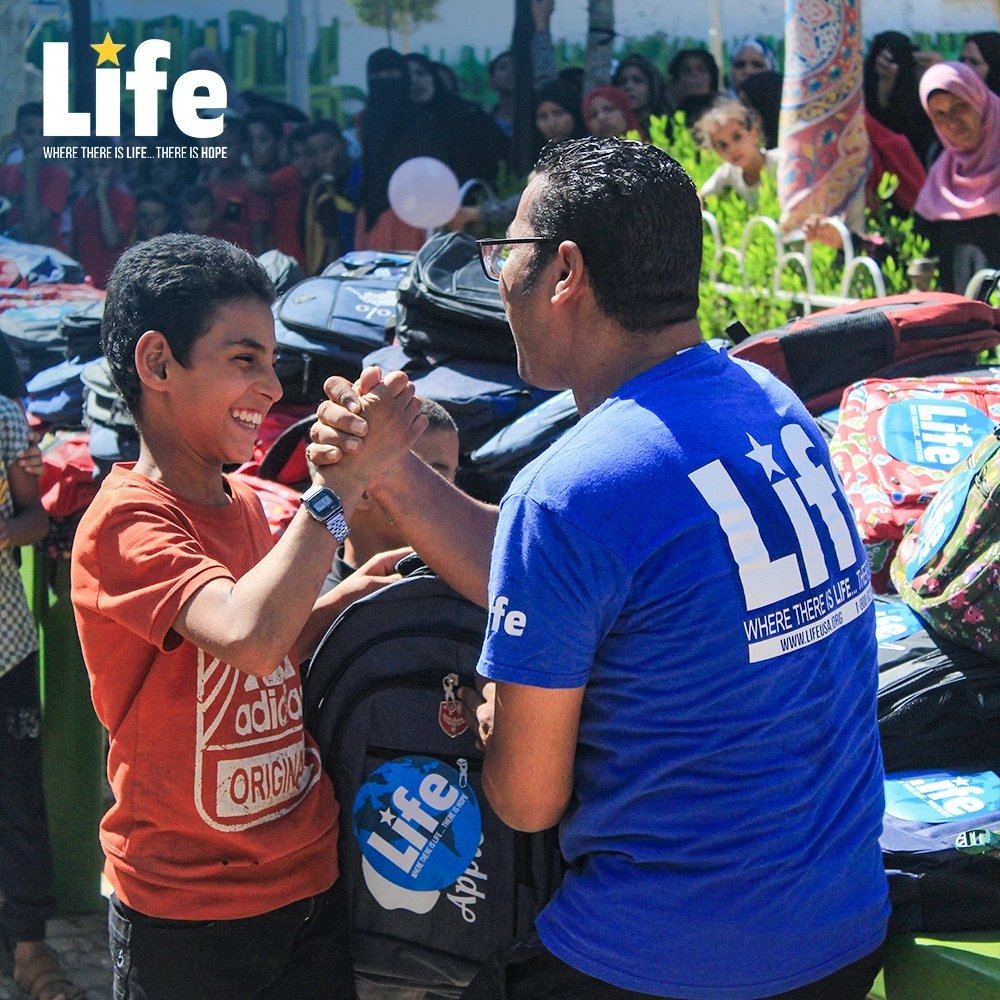
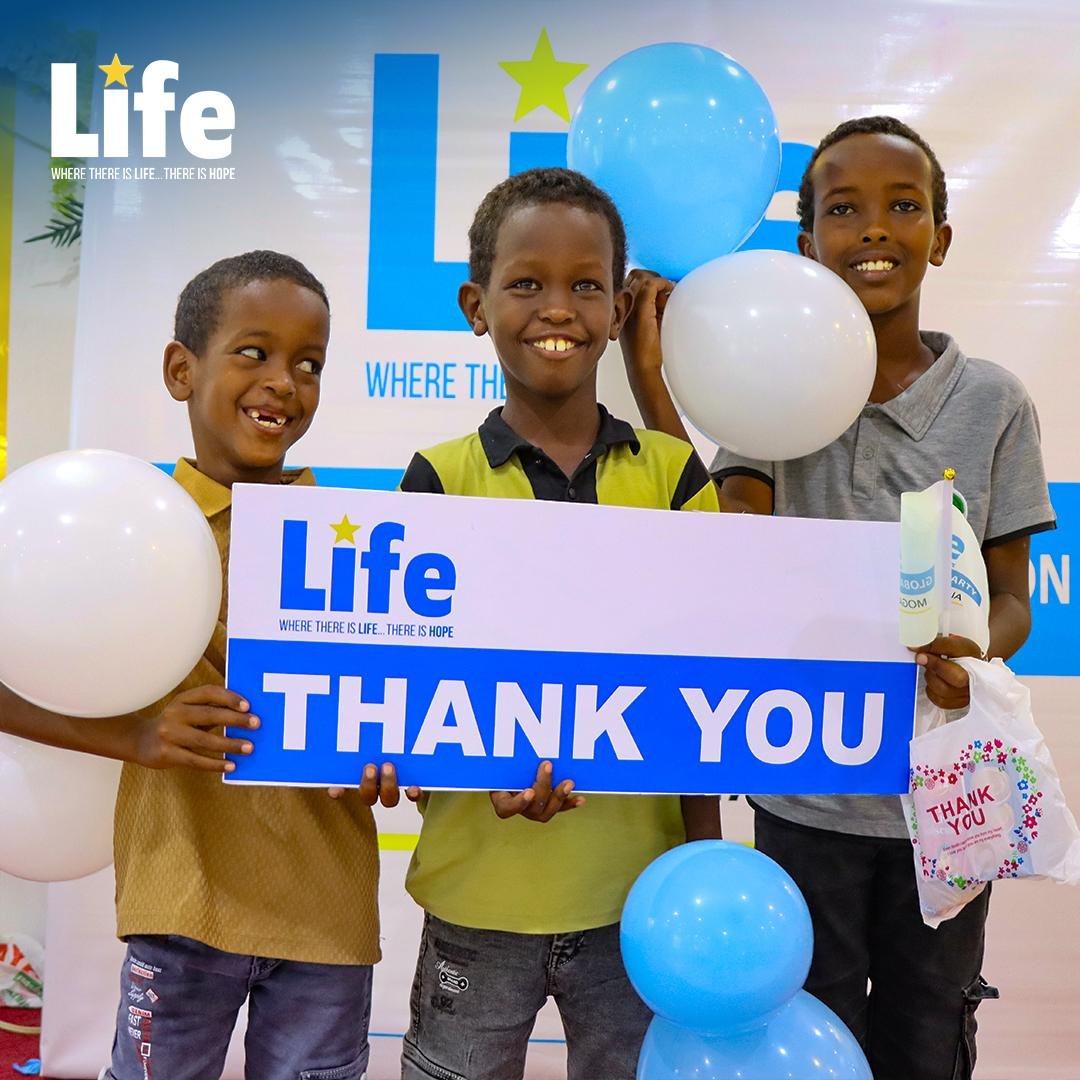
As the world marks International Peace Week, millions of women, children, older people, and people with disabilities living in areas affected by conflict and natural disasters face the reality of families torn apart by displacement, closed schools, and destroyed hospitals.
For a child who has lived through war, peace may mean a safe school desk. For a widow, it may mean having a home where she can shelter her children without fearing that it could suddenly collapse over their heads. For a person with a disability, peace may mean regaining part of their independence and feeling that they are still living a dignified life. For a patient, it may mean receiving medicine they were unable to afford. For an older person, it may mean finding compassion and care that protect them from the fears and hardships of old age.
Humanitarian Stories Calling for Real Peace
Life For Relief and Development has presented humanitarian examples of this impact, seeking to create a genuine meaning of peace in the lives of those affected.
Dr. Abdulwahab Alawna, Regional Director for the Middle East, says:
“Peace is when people regain their right to education, care, family, safety, and hope for the future and for life.”
Life began its work in Iraq in 1994 to provide assistance and support to thousands of people. Its operations later expanded to 61 countries around the world.
“We do not leave a person in distress or anyone seeking help without responding. Our teams are present to assist them and provide what they need to sustain their lives. Orphan support, education, and access to clean drinking water are among our largest programs after emergency relief operations, through which we provide safe shelter, food, medicine, and water. Over 34 years, these efforts have contributed to changing the lives of millions of people regardless of their religion, ethnicity, or nationality,” he adds.
Peace Means Safe Shelter, Food, Education, and Medicine
We set out to find people whose lives have been affected by these crises.
In the West Bank, families of orphans benefited from a sponsorship program that gave families greater flexibility to determine their children’s needs themselves.
Umm Yazan, a mother from Tubas, says that receiving support through an electronic wallet gave her the ability to purchase what her children needed herself and made her feel that she was dealing with others with greater respect and independence.
Majdoline, a five-year-old girl from Lebanon, lives with epilepsy and developmental delay. Her grandmother had struggled to obtain her medication regularly. The support provided the family with a more stable way to access treatment in a dignified manner.
In Syria, thousands of orphaned children benefited from assistance that included food, education, psychological and social support, and clothing. Follow-up did not stop at distributing aid. Teams worked with schools to monitor attendance and identify children at risk of educational or behavioral difficulties. Peer groups were also established, giving children a space to express their feelings and regain a measure of confidence.
Peace Is Lost Through Fear of the Future
In Uganda, Amina Nakato, a widowed woman with a disability, struggled to support her children. She feared that she might have to knock on other people’s doors simply to find food.
When a food basket reached her family, it did more than provide food. It eased the constant feelings of fear and uncertainty she had been experiencing.
As part of the same project, two orphaned children, Omeid and Fatima, from Afghanistan, who had lost their father and were being cared for by their grandmother, benefited from food assistance that provided their family with a degree of stability during Ramadan.
In Yemen, food assistance reached displaced families living in camps, including Jaafar’s family. Jaafar, a person with a disability, felt the heavy responsibility of providing food for his family. Another beneficiary was Umm Mohammed, a widow living with her six children.
For them, the assistance helped ease the daily anxiety surrounding the simplest yet most painful question: What will we eat tomorrow?
When Tents Become a Form of Peace
Another experience in Gaza shows how shelter itself can become an element of psychological safety.
As part of an emergency response project, Life provided tents and tarpaulins for approximately 40,000 displaced people, including women-headed households, older people, and people with disabilities.
Huda, a mother of eight children, said that receiving a tent gave her children a safer place to sleep and restored a degree of protection and privacy for the family, particularly with the provision of a bathroom inside the tent and dignity kits for her daughters.
From Bosnia, Leila Hajic, whose face bears the wrinkles left by time and hardship, says that Life provided her with heating during the winter, a season she had previously faced with deep anxiety. Her old age prevented her from working to provide what she needed.
Similarly, from Burma, Aung Ko had hoped to devote himself to his education in his modest tent instead of going out to work to support his family. Life became a lifeline for him by helping him return to his school desk and providing basic necessities for his mother and his ten siblings.
Psychological Support for the Effects of Wars and Crises Is Essential
We spoke with Dr. Amgad Maraachli, Professor of Psychiatry, who says:
“Basic needs are inseparable from mental health. Wars, displacement, the loss of family members, illness, and poverty do not only create shortages of food or medicine. They can also generate feelings of anxiety, sadness, insecurity, sleep disturbances, and difficulty concentrating. Most people affected by emergencies experience some degree of psychological distress, while some require psychosocial support or specialized care.
“Therefore, regular support for these people serves a purpose that goes beyond meeting material needs. It may reduce part of the uncertainty that individuals experience. When a father knows that his family will receive food, when a mother can purchase medicine for her child, or when a child has a safe place to learn and play, this may help the family regain a sense of routine and the ability to cope with the future.”
Peace Means Real Change in the Lives of People in Need
Dr. Elham El-Qadi, Professor of Sociology, adds:
“Humanitarian assistance is not simply about providing food or medicine. It is a means of helping families regain their balance, dignity, and ability to make decisions. When children have the opportunity to return to school and families receive support that helps them meet their needs, we are not simply addressing an immediate crisis; we are strengthening their ability to cope and recover.
“Therefore, I believe the success of humanitarian work should not be measured by the number of aid items distributed, but by what actually changes in people’s lives afterward. Has a child been able to resume their education? Does a mother feel more stable? Has a family been able to regain part of its independence and hope for the future?
“This is why strengthening community and family support networks is important, alongside providing activities that help children regain a sense of routine and develop their ability to adapt, as well as supporting caregivers so they can manage their own pressures and support their children.”
For more
information:
Life For Relief and Development – Social Media

Comments
There are 0 comments on this post