
Where Orléans Councillor frontrunners stand in the upcoming Ottawa municipal election
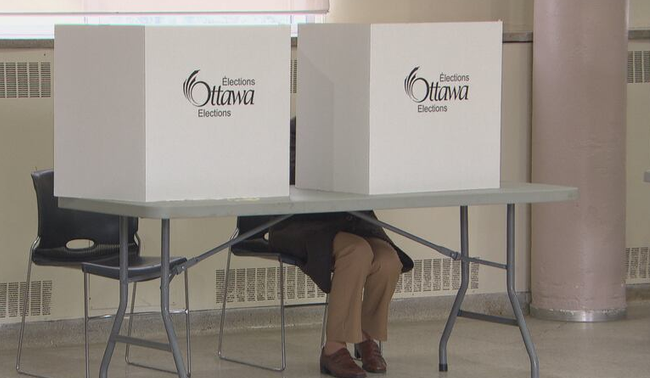
With the October 26, 2026, Ottawa municipal election entering its final week, the three distinct wards making up Orléans have become critical battlegrounds for the city’s east end. As the region navigates the long-awaited final stages of the eastern O-Train Light Rail Transit (LRT) extension to Trim Station, local frontrunners are drawing distinct battle lines over OC Transpo reliability, crumbling suburban road infrastructure, public safety, and property taxes. According to detailed race tracking from CBC News Ottawa and CTV News Ottawa, voters are evaluating whether to stick with the established municipal records of their incumbents or back surging mainstream challengers and independent grievance candidates channelling commuter exhaustion.
Here is exactly where the leading candidates stand across Orléans' three municipal races:
Ward 1: Orléans East—Cumberland
Featuring the largest and most volatile candidate field of any ward with an incumbent councillor, this race has turned into an intense, multi-candidate referendum on transit infrastructure and local oversight.
- Matt Luloff (Incumbent): Seeking a third term after capturing a massive 74% of the vote in 2022, Luloff’s platform highlights his experience pushing to open the delayed eastern LRT extension. He stands for a major route redesign to connect local neighbourhoods efficiently to the new rail system rather than reverting to outdated bus models.
- Yvette Ashiri (Major Challenger): A prominent federal public servant, Ashiri is running a highly organized progressive challenge with significant institutional backing. Ashiri stands for a complete overhaul of local bus routes, demanding frequent five-minute neighbourhood service and direct routes downtown to remedy what she characterizes as systemic municipal mismanagement.
- Sherif Rizk (Noteworthy Grievance Candidate): A local lawyer, Rizk has captured the media spotlight by directly channelling passenger frustration with transit delays. He is campaigning on an aggressive, outsider "reliability guarantee" policy, standing for a platform that would legally mandate OC Transpo to offer riders financial credits on their next ride if standard service commutes to downtown exceed 30 minutes.
Ward 2: Orléans West—Innes
This central corridor race centres heavily on older suburban renewal, infrastructure levies, and basic transparency.
- Laura Dudas (Incumbent): The two-term veteran is leveraging her record of securing millions in municipal funding to breathe life into aging roads, sidewalks, and community centres. Dudas stands firmly in support of a dedicated infrastructure levy, arguing it is the only way to ensure tax dollars are locked directly into fixing local suburban sewers and pathways.
- Jenna Jessop (Major Challenger): A federal public servant entering the municipal arena, Jessop’s platform focuses on public consultation and transparency deficits at City Hall. She stands for rebuilding broken OC Transpo ridership by prioritizing robust neighbourhood bus service and establishing immediate traffic calming measures to curb dangerous street speeding.
- David Purchase (Noteworthy Grievance Candidate): A prominent Blackburn Community Association board member, Purchase has mobilized homeowners alienated by rising city-wide costs. He stands against the continuation of the municipal infrastructure levy, demanding that City Hall audit existing operational budgets for waste rather than applying recurring tax add-ons to pressured suburban families.
Ward 19: Orléans South—Navan
Spanning rapid growth sectors like Avalon and rural Navan, this race sets sharp battle lines over public safety funding and fiscal management.
- Catherine Kitts (Incumbent): The sitting councillor and Board of Health Chair is running on an active record of infrastructure management. Kitts stands for an aggressive "infrastructure catch-up" program that explicitly avoids creating new property taxes or transit fare hikes, while simultaneously backing increased funding for frontline policing with stringent accountability.
- Jason Wing (Major Challenger): A local hospitality small business owner, Wing has emerged as a competitive alternative focused on small business relief and fresh leadership. While supporting an enhanced police budget, Wing stands for an immediate decrease in local transit fares to stimulate ridership and opposes city-wide infrastructure levies that inflate the cost of living for working families.
🗳️ Polling Hours and Voter Registration Requirements
As you prepare to cast your ballot on final voting day, Monday, October 26, 2026, here are the critical guidelines to ensure a seamless voting process:
🕒 Polling Hours
- Election Day (Monday, October 26): All designated municipal voting places across Ottawa will be officially open from 10:00 a.m. to 8:00 p.m..
- Workplace Allocations: Under Ontario law, qualified electors are entitled to three consecutive hours free from work to cast their vote while the polls are open. If your regular shift does not naturally allow for this window, your employer is legally required to grant you the necessary time off without penalty.
📋 Voter Registration Requirements
While the deadline to update or add your details to the municipal voters' list online has closed, you can still register directly in person at your designated polling station on Election Day.
To be eligible to vote in an Ottawa municipal election, you must meet the following criteria on voting day:
- Be a Canadian citizen.
- Be at least 18 years of age.
- Be a resident of the City of Ottawa, or a non-resident owner or tenant of land in the city, or the spouse of such an owner or tenant.
🪪 What Identification to Bring
To register or cast your ballot at the polling station, you must present one piece of acceptable identification showing your name and qualifying Ottawa address.
- Photo ID is not required: You do not need a driver's licence or Ontario Photo Card to vote.
- Acceptable documents include: A utility bill (hydro, water, gas), cell phone statement, bank statement, residential lease/rental agreement, credit card statement, or pay stub. Digital versions shown on your mobile device (such as an e-billed hydro invoice) are fully accepted.
- What does NOT count as ID: A Canadian Passport is not accepted on its own because it does not list your current residential address. Additionally, the Voter Information Card (VIC) mailed to your house cannot be used as a primary piece of identification.

Comments
There are 0 comments on this post