
Quebec Superior Court Justices Paquette and Piché subject human rights claimant to political persecution
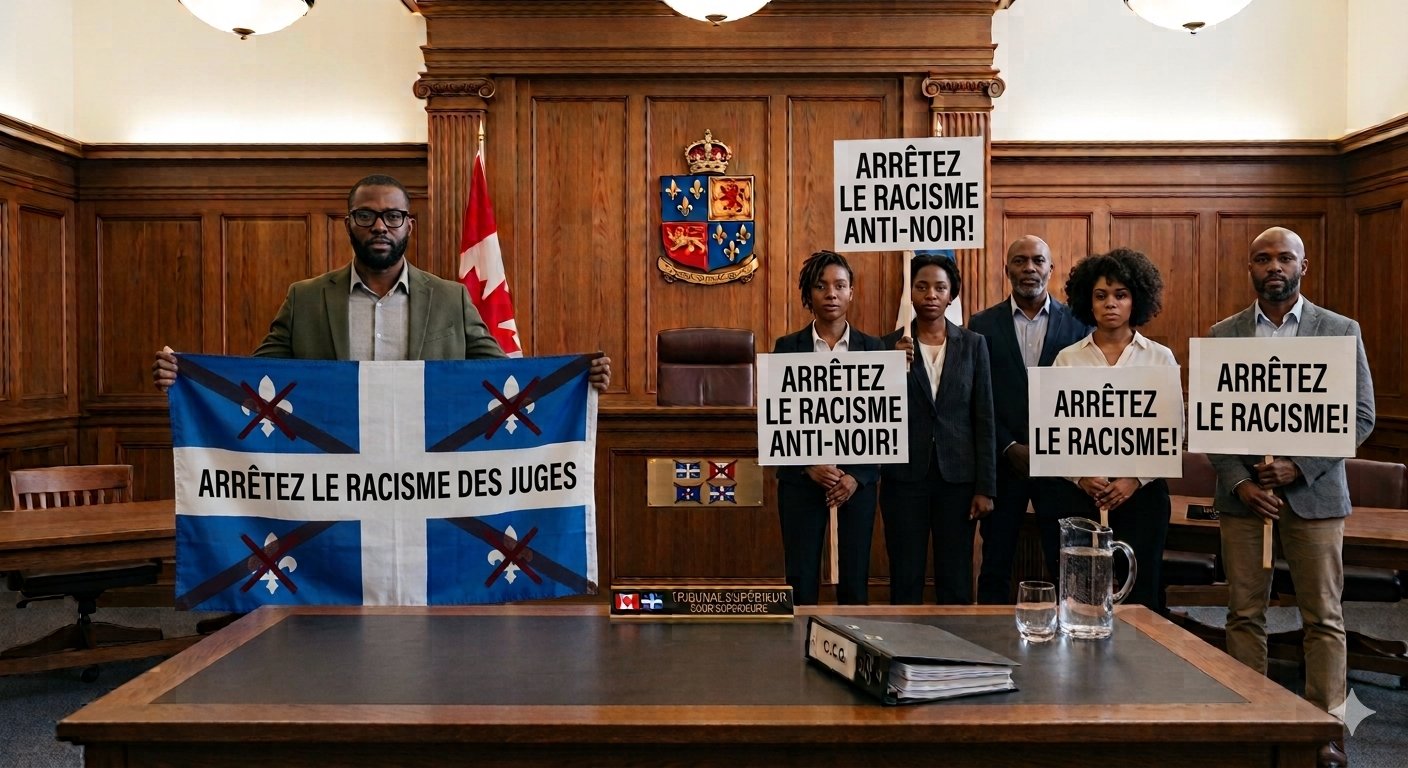



The integrity of Canada’s justice system rests entirely on the unshakeable premise that courts exist to protect the vulnerable, uphold human rights, and hold powerful institutions accountable. When the machinery of the court is instead leveraged to shield state actors from scrutiny and execute personal vendettas, the rule of law fractures. The ongoing controversy surrounding Carby-Samuels v. Ville de Gatineau underscores an urgent national need to re-examine the scope of judicial immunity and the administrative maneuvers that dictate legal outcomes.
A Duty to Uphold the Charter
As an officer of the Canadian Judicial Council and the head of the province's trial court, the Chief Justice of the Superior Court of Quebec, The Honourable Marie-Anne Paquette, bears a foundational responsibility. This duty requires honoring the spirit and letter of the Quebec Charter of Human Rights and Freedoms, ensuring the fair application of the Quebec Rules of Civil Procedure, and aggressively protecting the principles governing self-represented litigants.
However, structural critiques suggest that the administrative oversight of the Gatineau district has deviated far from these ideals. Rather than ensuring an impartial venue for a Black claimant seeking recourse for alleged state misconduct, evidence points to a coordinated effort to embolden local police forces and insulate them from civil rights accountability.
The Disruption of Judicial Continuity and Personal Animus
The procedural history of the Gatineau case raises troubling questions regarding how files are managed and assigned. Reports indicate that The Honourable Justice Brian Urbas initially managed the file with standard procedural adherence. Yet, after requests were made to Chief Justice Paquette to transfer the case to an impartial venue to avoid deep-seated institutional hostility, the file took a dramatic turn.
Instead of a venue transfer, the file saw the removal of the sitting judge whose integrity threatened a pre-determined outcome. Chief Justice Paquette presided over the sudden insertion of The Honourable Catherine Piché. It has become glaringly apparent that both Paquette and Piché have flagrantly abused their judicial immunity. Rather than upholding neutrality, they have weaponized their judicial power to subject a human rights claimant to severe reprisal, serving both entrenched police interests and raw personal animus.
Weaponizing the "Vexatious Litigant" Designation
What followed under Justice Piché’s purview represents an unprecedented and dangerous expansion of judicial overreach designed to block court access. In explicit retaliation against the claimant for filing a legal ethics complaint against Chief Justice Paquette, a judgment was rendered declaring him a "vexatious litigant".
Rather than acting as a neutral gatekeeper, the resulting order reads as an ideological and personal vendetta:
- Erasure of Human Rights Claims: The ruling stripped away a $44,000 racial profiling claim against the Gatineau Police—a claim backed by a Quebec Government agency determination.
- Total Court Blockade: The order bars the claimant from further accessing the court system without the explicit personal permission of Chief Justice Paquette.
- Ad Hominem Attacking: The text of the order directly subjected the litigant to public ridicule and defamation by baselessly suggesting he was "pretending" to hold a university degree.
- Chilling of Free Speech: The judgment explicitly chastised the claimant for using the courtroom to criticize systemic racism within the police department and for expressing political convictions regarding Bill 96, directly violating the Quebec Charter's protections against discrimination based on political convictions.
Subverting the Authority of Parliament
Most egregiously, the ruling rendered by Justice Piché sought to illegally strip the claimant of his fundamental civil rights to file statutory complaints with federal oversight bodies, specifically the Senate Standing Committee on Human Rights and the Canadian Judicial Council (CJC).
Parliament does not empower any judge to deny a Canadian citizen the rights conferred to them by Acts of Parliament designed specifically to enforce public and judicial accountability. By attempting to place themselves above federal law and block a citizen's access to parliamentarians and oversight councils, these judges have staged a direct assault on democratic governance.
A Call for Parliamentary Action and Forced Resignation
Equally concerning is the wall of silence surrounding these events, as major public and private broadcasters, including the CBC, have actively sought to cover up this extraordinary ruling. When local media fail to act as the fourth estate, institutional corruption is allowed to fester out of the public eye.
Because absolute judicial immunity is being corrupted to shield rogue judges from criminal and civil liability while they engage in willful public persecution, the ultimate constitutional backstop must be invoked. As federally appointed judges, Marie-Anne Paquette and Catherine Piché have proven themselves unfit for office.
It is vital that the Parliament of Canada intervene, vigorously investigate this overreach, and formally demand their resignations. There must be an unmistakable message sent across the country: Canadians will not tolerate the use of judicial authority to perpetrate systemic discrimination and lawless reprisal under the colour of law.

Comments
There are 0 comments on this post