
Strip clubs in Canada: Comparing 2026 to 1996
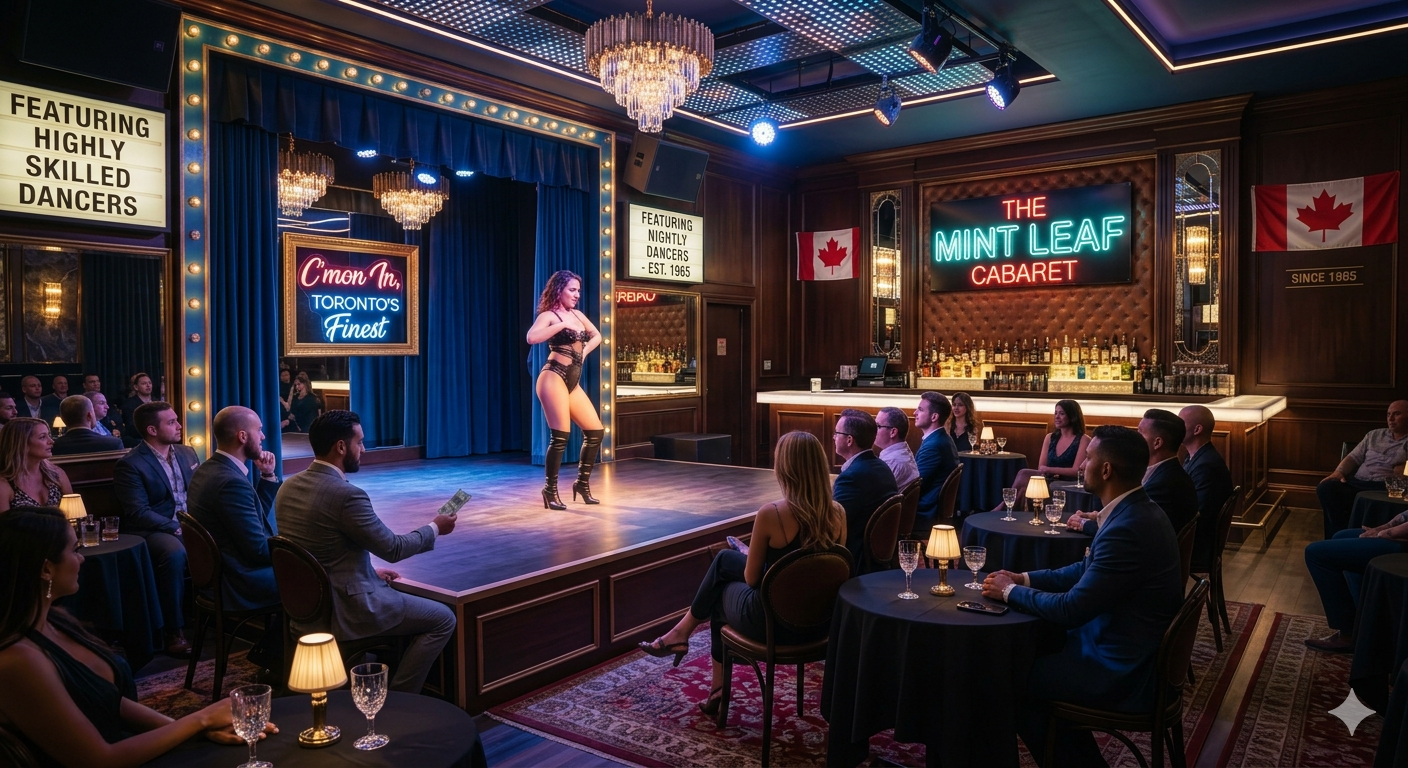
Thirty years ago, the Canadian adult entertainment landscape was defined by neon-lit dominance, packed downtown venues, and a bustling, cash-heavy economy. In 1996, strip clubs were staple institutions of urban nightlife in cities like Toronto, Vancouver, and Montreal, fuelled by a booming corporate-entertainment culture and a regulatory system that was only beginning to grapple with the logistics of modern adult venues. Flash forward to 2026, and the industry has undergone a radical contraction. Shaken by digital disruption, aggressive municipal zoning, and escalating real estate pressures, the traditional Canadian strip club has transformed from an ubiquitous nightlife anchor into an endangered species.
To understand how drastically the industry has changed, one only has to look at the numbers. In the late 1990s, Toronto boasted dozens of active adult entertainment licences. By 2026, a series of historic closures—including the indefinite shuttering of Club Zanzibar following a fire, alongside the loss of other iconic landmarks like the Brass Rail Tavern and Filmores—has left Canada’s largest metropolis with almost no traditional venues remaining. This shift highlights a profound transformation in how adult entertainment is consumed, regulated, and valued as work across Canada.
The Economic Engines: From Expense Accounts to Algorithmic Tolls
The financial model of 1996 relied heavily on physical presence and corporate indulgence.
- Corporate Windfalls: In 1996, clubs frequently welcomed patrons armed with corporate expense accounts, bachelor parties, and a steady stream of tourists.
- Cash Flow: Revenue flowed directly through the bar, cover charges, and high-margin champagne rooms, which were introduced across Ontario during the 1990s.
- Shift to Tips: It was during this era that the industry stabilised its transition away from salaried performance artists to an independent contractor model where dancers laboured almost exclusively for tips.
By 2026, the internet and changing cultural shifts among young adults have decentralised this entire economy.
- The OnlyFans Revolution: Subscription-based creator platforms have fundamentally disrupted the market. Dancers no longer require a physical stage to build a clientele.
- The "Stripper Indicator": According to analysts tracking current economic indicators, a broader decline in discretionary consumer spending has dried up casual foot traffic in physical venues.
- Rising House Fees: For the performers who remain in physical clubs, the environment is more precarious. Performers in 2026 frequently pay steep "house fees" ranging from $20 to $100 per shift just to step onto the stage, shifting the financial risk entirely onto the worker.
The Regulatory Squeeze and the Real Estate Boom
The physical disappearance of the Canadian strip club is as much a story of urban planning as it is of changing tastes. In 1996, municipal governments across Canada used a mix of licensing commissions and newly introduced "no-touching" bylaws to monitor adult venues. However, clubs like Le Strip on Yonge Street could navigate these local rules because their grandfathered licences held immense operational value.
In 2026, the regulatory framework acts as an intentional chokehold. In cities like Toronto, municipal zoning bylaws require adult entertainment venues to maintain a 100-metre buffer from residential zones and a 500-metre buffer from schools, places of worship, or other adult establishments. Because adult entertainment licences are strictly non-transferable and tied directly to their original locations, a club that closes due to a fire, a lease termination, or a building sale can almost never reopen or relocate elsewhere in the city.
Compounding this regulatory squeeze is Canada’s relentless real estate boom. The low-rent downtown corridors of 1996 have become premium targets for multi-million-dollar condominium developments. Property owners who historically leased space to adult venues have found it far more profitable to sell out to wealthy condo corporations, rapidly replacing historic stages with residential high-rises.
Labour Dynamics: Organizing and Immigration
The demographic and legal realities for the workers themselves have shifted dramatically over the past 30 years.
- The Temporary Foreign Worker Program: In the late 1990s, the federal Immigration Department actively issued exotic dancer visas to fill a perceived labour shortage within Canadian clubs. This program brought thousands of migrant workers into Canada, primarily from Central and Eastern Europe. However, concerns regarding human trafficking and worker exploitation led Ottawa to gradually restrict and ultimately ban temporary foreign workers from sex-trade employment.
- Domestic Labour Force: In 2026, the labour force is entirely domestic, but workers face high regulatory entry costs, including mandatory dancer and manager licences that require hundreds of dollars in initial and renewal fees.
- Collective Action: Labour advocacy has evolved in tandem with these pressures. In the 1990s, dancers organised under banners like the Exotic Dancers' Alliance to push for safer physical environments and resist municipal overreach. By 2026, the conversation has expanded. Stripper-turned-author Andrea Werhun, whose memoir inspired a 2025 film adaptation, has publicly campaigned for an overhaul of puritanical city bylaws.
Dancers in 2026 are increasingly calling for a modern labour environment where security, DJs, and service staff receive a living wage, ensuring collective workplace safety without relying on exploitative financial models.
Comparing the Eras
| Feature | 1996 Industry | 2026 Industry |
|---|---|---|
| Primary Venues | Over 40 active locations in major city centres | Fewer than 5 remaining in major hubs like Toronto |
| Primary Competition | Local bars, lounges, and early home video | Digital platforms like OnlyFans and virtual reality |
| Worker Visas | Active federal Exotic Dancer Visa program | Foreign nationals explicitly banned from the sector |
| Financial Risk | Venues paid salaries or balanced lower house fees | Heavy reliance on performer-paid daily house fees |
| Zoning Strategy | Flexible location requirements; grandfathered spaces | Punitive distance buffers preventing any relocation |
The Last Dance of an Institution?
The stark contrast between 1996 and 2026 reveals an industry that has been systematically squeezed out of the modern Canadian city. What was once a highly profitable, mainstream pillar of urban nightlife has been reduced to a handful of surviving venues fighting restrictive zoning, platform capitalism, and shifting generational norms. While some operators are attempting to pivot toward more interactive or upscale hospitality concepts, the golden era of the independent, cash-fuelled Canadian strip club has firmly drawn to a close.

Comments
There are 0 comments on this post