
Top 10 Tips for Buying a New Home in Ottawa
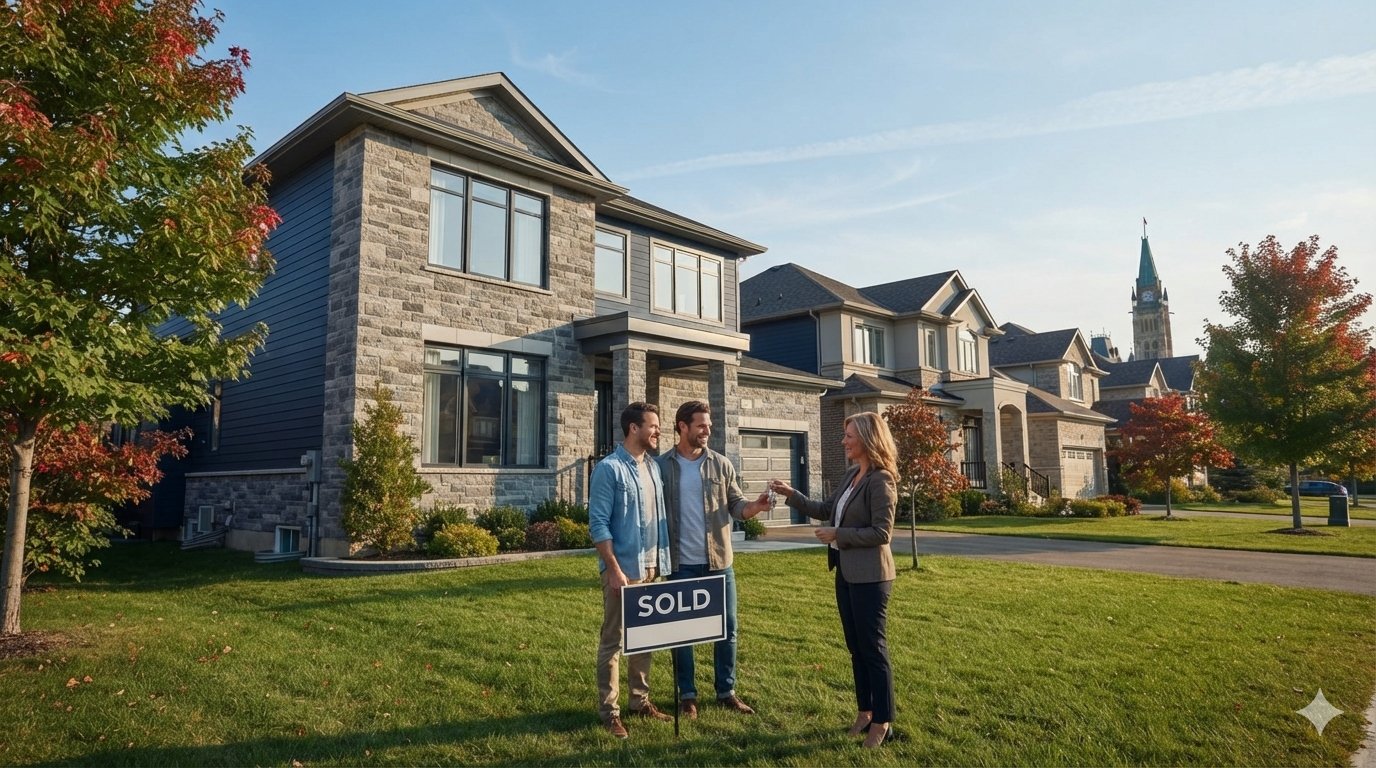


Purchasing a home in Canada’s capital is a significant milestone that requires a blend of financial foresight and localized market knowledge. Ottawa offers a unique real estate landscape, characterised by a stable economic foundation driven by the public sector and a thriving technology hub. This economic resilience creates a diverse housing market, spanning from historic urban properties in the downtown core to rapidly expanding master-planned communities in the outer suburbs.
However, navigating Ottawa’s distinct micro-markets, seasonal inventory shifts, and municipal zoning regulations can be challenging for prospective buyers. Achieving success in this competitive environment requires more than simply browsing online listings; it demands a strategic approach to financial readiness, neighbourhood selection, and legal due diligence. Buyers must carefully balance current affordability with long-term property appreciation while aligning their choice with transit infrastructure and lifestyle needs. Whether you are a first-time buyer leveraging government incentive programmes or a seasoned homeowner relocating to the region, understanding local real estate dynamics is essential. The following ten comprehensive tips provide actionable guidance to navigate the transaction smoothly, protect your financial interests, and secure the ideal property in Ottawa.
Financial Preparation and Budgeting
- Get a Mortgage Pre-Approval First: Speak with a licensed broker or lender to secure a formal pre-approval. This establishes your absolute price ceiling, protects you against interest rate shifts for a set period, and proves to sellers that you are a serious buyer in the competitive Ottawa market.
- Utilize Registered Savings Plans: Maximize government programmes like the First Home Savings Account (FHSA), Tax-Free Savings Account (TFSA), or the Home Buyers' Plan (HBP) via your RRSP. These tools accelerate your down payment growth using tax-advantaged funds monitored by the Canada Revenue Agency (CRA).
- Calculate True Affordability and Carrying Costs: Factor in more than just the mortgage payment. Account for Ottawa property taxes, home insurance, utility averages, and potential condo or maintenance fees that vary significantly between urban centres and outer suburbs.
- Save for Mandatory Closing Costs: Set aside an extra 3% to 4% of the purchase price. You must pay for legal fees, title insurance, a professional home inspection, and Ontario's Land Transfer Tax upon closing, subject to strict acquisition regulations under the Ontario Ministry of Finance.
Location and Neighbourhood Selection
- Evaluate Commute and Transit Access: Analyze how you will travel to work or school. Test drive your prospective rush-hour commute from suburban hubs like Barrhaven, Kanata, or Orléans, or check proximity to the O-Train Confederation Line via the municipal OC Transpo Transit Lines Directory if looking closer to downtown.
- Research School Districts and Community Amenities: Verify local elementary and secondary school boundaries, parks, recreation centres, and grocery options. Neighbourhoods change block by block regarding family infrastructure and long-term resale appeal.
- Explore Emerging Suburban and Urban Pockets: Look at up-and-coming areas where municipal growth and new commercial developments promise strong value retention and equity growth over the next five to ten years.
Navigating the Purchase Process
- Hire a Local Real Estate Expert: Partner with a licensed agent who specialises in Ottawa micro-markets. An experienced local professional navigates regional bidding norms, uncovers unlisted opportunities, and provides critical guidance during negotiations.
- Never Skip the Home Inspection: Whether buying a historic century home in Centretown or a brand-new construction build, hire an independent certified inspector. They identify hidden roofing flaws, basement moisture issues, or outdated electrical panels before firm purchase commitments.
- Review All Municipal and Legal Disclosures: Examine zoning rules, local development proposals, and property boundary surveys. Knowing about upcoming nearby construction or heritage restrictions prevents costly surprises after you get the keys.
Market Intelligence & Closing Analysis
Navigating the Ottawa real estate market requires a disciplined approach that balances immediate financial capacity with long-term lifestyle goals. According to the latest transaction data processed through the Multiple Listing Service (MLS®) System of the Ottawa Real Estate Board (OREB), the capital’s housing sector has shifted into a balanced territory, offering prospective buyers more leverage than in previous years.
With active inventory tracking at 4,982 active listings in June 2026 as published in the latest Wowa Ottawa Housing Market Report, purchasers now benefit from greater inventory choice and reduced pressure during negotiations. This increase in supply has stabilised pricing across the capital region, with the city-wide average residential benchmark price settling at $733,648, a modest 1.5% year-over-year increase that signals sustainable growth rather than market volatility.
However, market conditions vary significantly by property type. While single-family homes have maintained their value with an average asset price of $880,000, the townhouse and condominium segments offer distinct entry points for buyers, showing average transaction prices of $555,000 and $432,000 respectively. Success ultimately hinges on thorough due diligence—from securing a robust mortgage pre-approval to understanding neighbourhood-specific zoning. By following these ten strategic steps and interpreting current market data effectively, you can make a confident, informed investment in Ottawa’s dynamic property landscape.

Comments
There are 0 comments on this post